
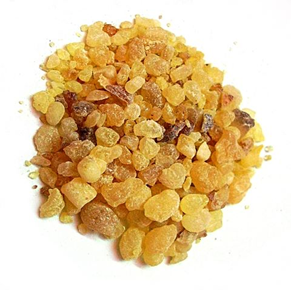
Understanding Resins: Essential Binding Agents for Modern Industries
Resins are solid or semi-solid substances, either natural or synthetic, that act as binding agents in materials such as coatings, adhesives, inks, plastics, and construction products. Their main role is to provide film-forming properties, adhesion, durability, and protective qualities.
Types of Resins
1. Natural Resins
- Derived from plants, such as rosin from pine trees
- Traditionally used in adhesives, varnishes, and inks
2. Synthetic Resins
- Chemically engineered for specialized industrial applications
- Common types include:
- Acrylic resins – weatherable, clear, and versatile
- Epoxy resins – strong adhesion, chemical resistance
- Alkyd resins – used in decorative coatings
- Polyester resins – durable and flexible
- Polyurethane resins – excellent chemical and water resistance
Key Functions and Benefits of Resins
Resins determine important properties of finished products:
- Gloss and clarity in paints and coatings
- Hardness and flexibility in adhesives and plastics
- Water, heat, and chemical resistance
- Protective films for long-lasting coatings
- Bonding strength in adhesives
Applications of Resins
Resins are critical raw materials in a wide range of industries:
- Paints and coatings – forming durable protective films
- Adhesives and sealants – providing strong bonding
- Construction materials – improving durability and performance
- Automotive and electronics – ensuring chemical and heat resistance
- Packaging – enhancing flexibility and protection
Their versatility and functional benefits make resins indispensable for industrial innovation and performance worldwide.