
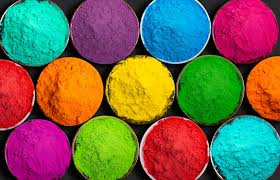
Understanding Pigments: The Foundation of Color in Modern Materials
Pigments are finely ground, insoluble particles that provide color to materials such as paints, inks, plastics, textiles, and coatings. Unlike dyes, pigments do not dissolve in the medium but remain suspended, producing color through light absorption and reflection.
Types of Pigments
Pigments are broadly categorized into two main types:
1. Organic Pigments
- Made from carbon-based compounds
- Offer bright, vibrant colors
- Commonly used in decorative paints, inks, and plastics
2. Inorganic Pigments
- Derived from minerals and metals
- Known for durability, opacity, and chemical resistance
- Examples include:
- Titanium Dioxide (white)
- Iron Oxides (reds, yellows, browns)
- Phthalocyanine (blue and green)
Applications of Pigments
Pigments do more than just add color. They also:
- Improve hiding power in coatings
- Enhance durability of materials
- Provide UV light and chemical resistance
- Contribute to consistent color quality across applications
Applications of Pigments
Pigments are essential in a wide range of industries, including:
- Decorative paints and coatings
- Automotive coatings
- Packaging and printing
- Plastics and textiles
Increasingly, industries are shifting toward eco-friendly pigments to reduce environmental impact while maintaining performance.
Why Pigments Matter
In essence, pigments form the foundation of color in modern products, combining aesthetic appeal with functional benefits. Their versatility makes them indispensable in industrial, commercial, and artistic applications.