
Nitrocellulose (NC), Titanium Dioxide (TiO₂), Pigments, PU Resins, Waxes & Emulsions, and Additives are key materials in coatings and paints, providing color, durability, and smooth finish. They enhance performance, texture, and longevity for high-quality industrial and decorative applications.
Nitrocellulose (NC)
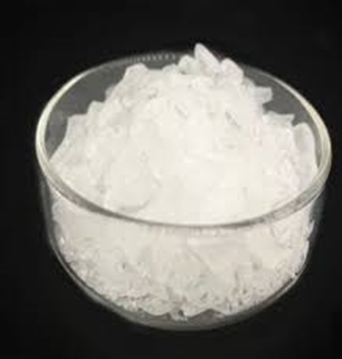
Nitrocellulose, often abbreviated as NC, is a film-forming polymer derived from cellulose treated with nitric acid. It is widely used in the coatings, inks, and wood finishing industries due to its excellent properties such as fast drying, high gloss, and superior adhesion. NC is particularly valued in paints and lacquers because it creates smooth, durable surfaces with good clarity and resistance to wear. In printing inks, it provides flexibility, quick solvent release, and compatibility with a wide range of pigments and resins, making it ideal for packaging and publication printing. Nitrocellulose is also used in nail varnishes, leather coatings, and automotive refinish products. Depending on nitrogen content, it can be tailored for various applications, from flexible films to hard, scratch-resistant coatings. Its versatility, efficiency, and adaptability make Nitrocellulose a core raw material that continues to play a vital role in modern industries requiring speed, quality, and performance.
Titanium Dioxide (TiO₂)
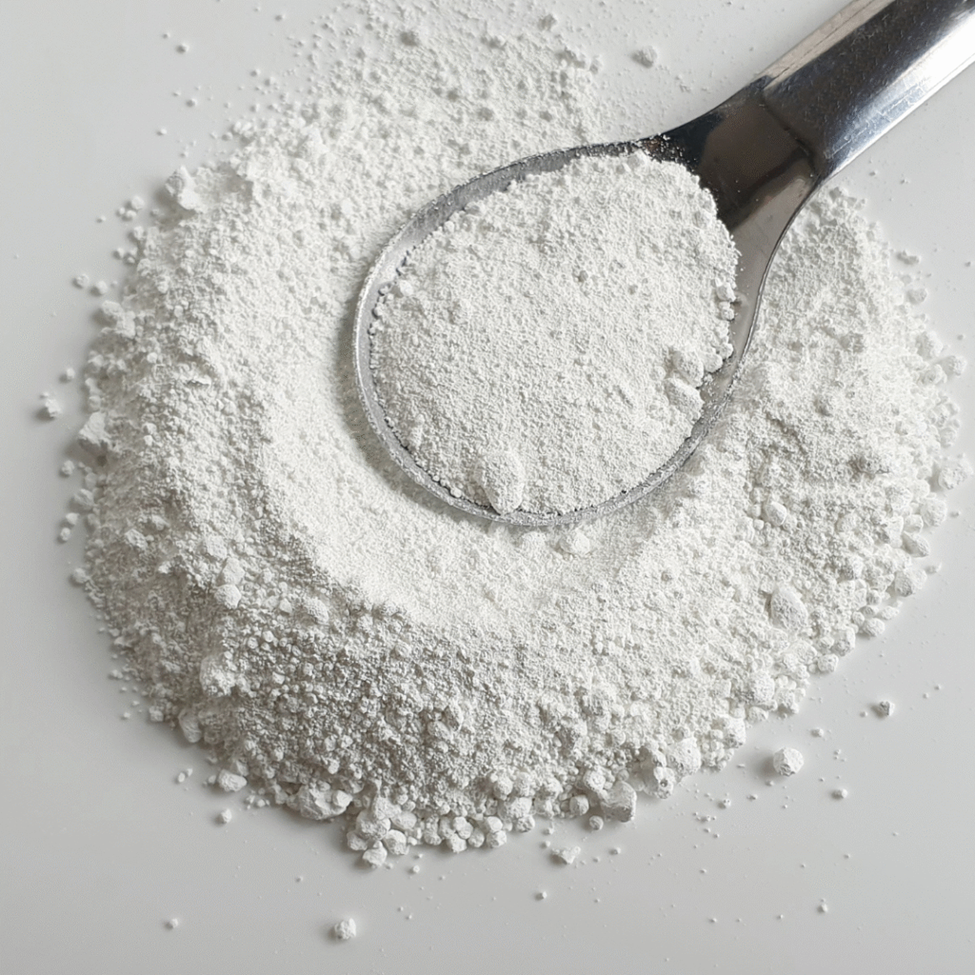
Titanium dioxide, commonly known as TiO₂, is a white, inorganic compound recognized as one of the most important pigments worldwide. It is prized for its exceptional brightness, opacity, and ability to scatter light, which gives coatings, plastics, and papers their vibrant whiteness and excellent hiding power. TiO₂ is available in two main crystal forms—rutile and anatase—with rutile being the most widely used due to its superior durability, UV resistance, and weather stability. In paints and coatings, TiO₂ not only provides brilliant whiteness but also enhances longevity by protecting surfaces from UV degradation. Beyond coatings, it is used in plastics, cosmetics (as a safe sunscreen ingredient), food additives, and even photocatalytic applications for air and water purification. With its balance of brightness, opacity, and protection, Titanium dioxide is an irreplaceable material that supports industries in achieving both aesthetic appeal and long-term durability in their products.
Pigments
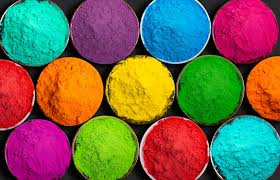
Pigments are finely ground, insoluble particles that give color to materials such as paints, inks, plastics, textiles, and coatings. Unlike dyes, pigments do not dissolve in the medium but remain suspended, creating color through light absorption and reflection. They are categorized into organic pigments, made from carbon-based compounds offering bright, vibrant shades, and inorganic pigments, derived from minerals and metals, known for durability and opacity. Common examples include titanium dioxide (white), iron oxides (reds, yellows, browns), and phthalocyanine (blue and green). Pigments not only add color but also improve hiding power, durability, and resistance to UV light and chemicals. Their application ranges from decorative paints and automotive coatings to packaging and printing. Increasingly, industries are shifting toward eco-friendly pigments that reduce environmental impact. In essence, pigments are the foundation of color in modern products, combining beauty with functionality across a wide spectrum of industries.
Resins
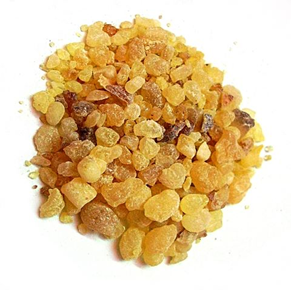
Resins are solid or semi-solid substances, either natural or synthetic, that act as binding agents in coatings, adhesives, inks, plastics, and construction materials. Their primary role is to provide film-forming properties, adhesion, durability, and protective qualities. Natural resins are derived from plants (like rosin from pine trees), while synthetic resins—such as acrylics, epoxies, alkyds, polyesters, and polyurethanes—are chemically engineered for specialized applications. For example, epoxy resins are valued for strong adhesion and chemical resistance, while acrylic resins are known for weatherability and clarity. Resins determine key properties of finished products, including gloss, hardness, flexibility, and resistance to water, heat, and chemicals. In paints and coatings, resins form the protective film that ensures longevity. In adhesives, they provide bonding strength. Because of their versatility, resins are a critical raw material in industries ranging from construction and automotive to packaging and electronics, driving innovation and performance worldwide.
Waxes & Emulsions
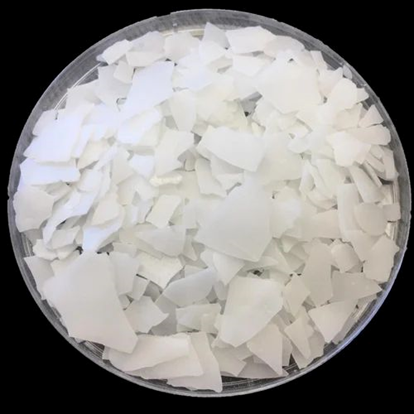
Waxes are organic compounds, typically solid at room temperature, that melt to form protective, glossy, and water-resistant layers. They can be natural (like beeswax, carnauba wax, or paraffin) or synthetic (such as polyethylene and Fischer-Tropsch waxes). Waxes are widely used in coatings, polishes, packaging, cosmetics, and adhesives because of their ability to provide smooth surfaces, improved resistance, and enhanced appearance. Emulsions, on the other hand, are stable mixtures where wax is finely dispersed in water with the help of surfactants. These wax emulsions make application easier, environmentally safer, and more compatible with other ingredients. They offer properties like scratch resistance, anti-blocking, lubrication, and improved texture in coatings, textiles, and paper industries. By blending the protective qualities of wax with the easy-to-use nature of emulsions, industries can achieve efficiency and sustainability. In simple terms, waxes and emulsions improve performance, protection, and finish in countless industrial and consumer products.
Additives
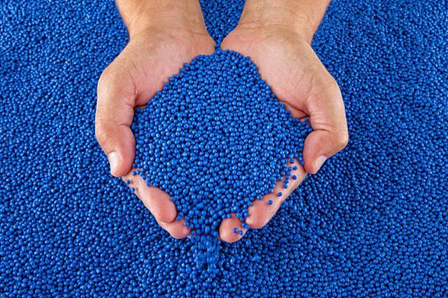
Additives are specialized substances added in small quantities to enhance the performance, stability, or appearance of a product. They are not the main component but are crucial in optimizing formulations across paints, coatings, plastics, adhesives, printing inks, and construction materials. Additives serve multiple functions, including improving dispersion, preventing foam formation, controlling viscosity, enhancing UV resistance, extending shelf life, and increasing durability. For example, defoamers reduce air bubbles in coatings, UV stabilizers protect plastics from sunlight damage, thickeners adjust consistency, and wetting agents improve surface coverage. Without additives, many industrial formulations would fail to meet performance or quality standards. They help manufacturers save costs, improve efficiency, and achieve specific effects like smooth finishes or weather resistance. In today’s world, eco-friendly and sustainable additives are gaining importance as industries seek greener solutions. In essence, additives may be small in amount but have a massive impact on product quality and reliability.